When a Clearwater home floods, mold usually grows first inside the lower walls, insulation, carpet pad and cabinets, and it can be there even when the surface looks dry. Post-flood mold removal means opening and removing the soaked materials, cleaning and drying the framing, and verifying dryness before rebuilding. Call the number on this page to be connected with a local mold remediation company in Clearwater.
Clearwater's flood conditions
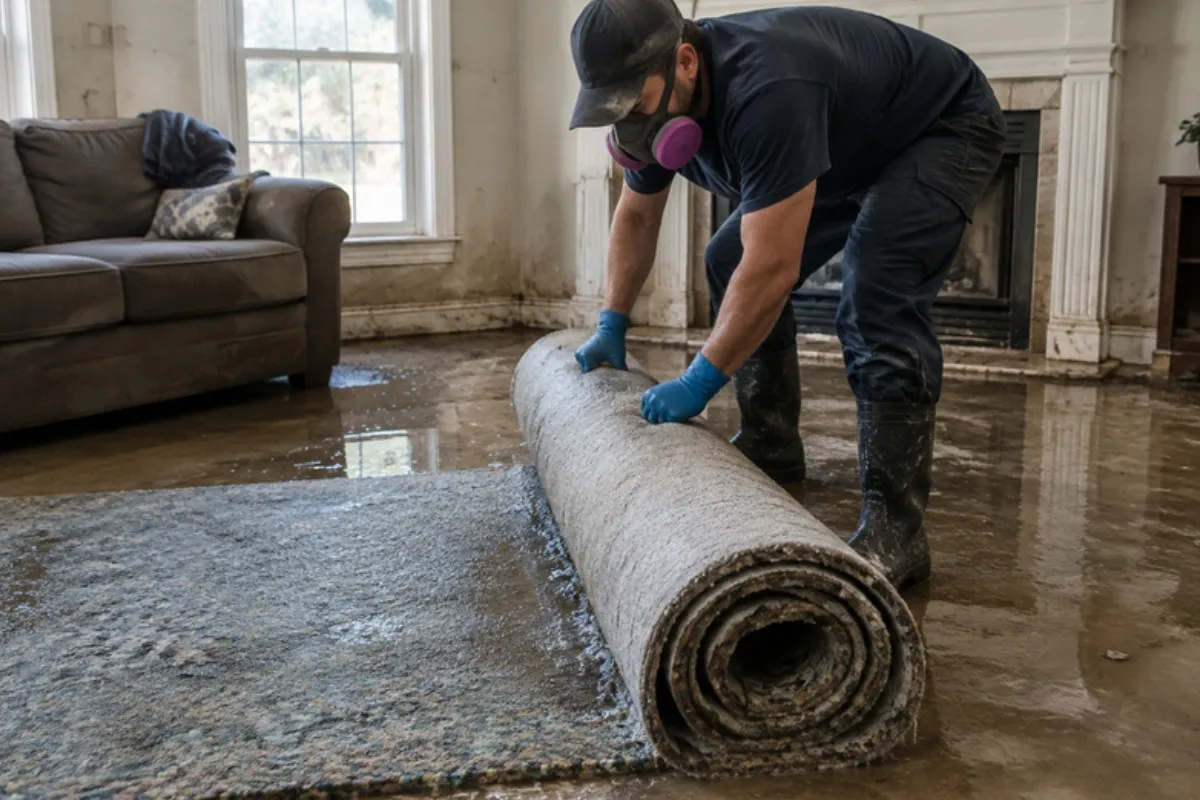
Clearwater faces the Gulf through Clearwater Beach, Clearwater Harbor and the Intracoastal Waterway to the west, and Tampa Bay to the southeast. Pinellas County's flood page also names parts of the city in the Alligator Creek watershed. Hurricane Helene in 2024 pushed Gulf water through the streets of Clearwater Beach, and NOAA's tide gauge there recorded 6.67 feet above mean higher high water, which the National Weather Service notes likely missed the peak.
On the mainland, the housing is older: the median home dates to 1978, and about 56 percent of units were built before 1980. Roughly 18 percent of units are in buildings of 50 or more, and about 41 percent of occupied homes are rented. In a condo or apartment, water from one unit often reaches the walls and ceilings of the next, so mold removal can involve more than one owner.
Surface cleaning versus removal after a flood
| Approach | When it fits | Limits |
|---|---|---|
| Clean and dry in place | Hard surfaces, sealed wood, framing that dries fully | Only once moisture readings come down |
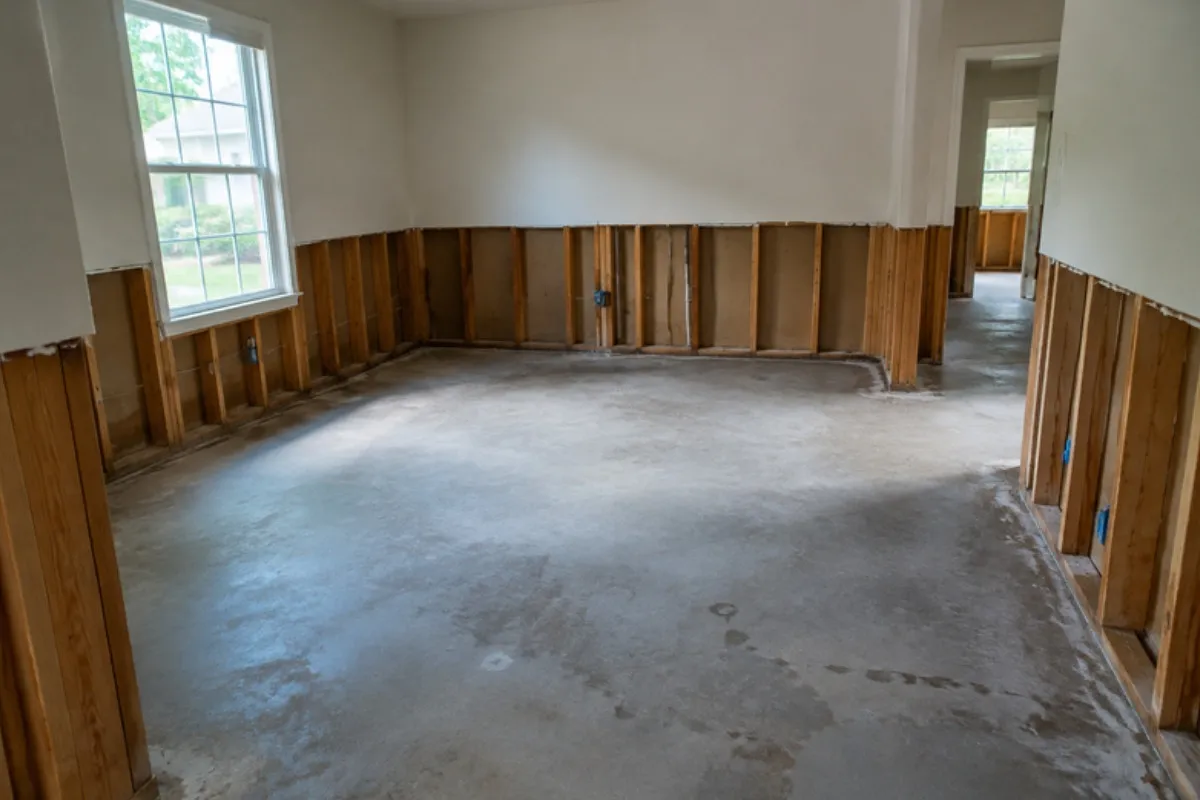
| Flood cut and remove | Drywall, insulation and trim below and above the waterline | Adds rebuild cost and may need a permit |
| Discard | Carpet, pad, mattresses, upholstered furniture | Photograph first for insurance |
Signs of flood-related mold
- Spotting or staining low on walls in rooms that took water
- A smell that is worse in closets and behind furniture
- Water marks on a ceiling below a neighbor's unit
- Swollen door frames and trim
- A musty odor from supply vents once the AC is back on
Any of these weeks after the water receded usually means wet material was left in place. Opening one small section of wall at the base is often enough for a company to tell how far the problem goes.
Timing, permits and paperwork
The Florida Department of Health in Pinellas County warned after Helene that moisture from leaks and flooding speeds mold growth that can keep damaging materials long after the storm, and it advised preventing poor indoor air during cleanup and repairs. Clearwater runs its own building department; drywall, structural and post-storm repairs are permitted through the city, and its permit page requires a Non-Substantial Improvement package for additions and remodels on properties in a flood zone. Renters with unrepaired water damage can report it to the city's Code Compliance Division. EPA's guidance is to dry wet materials within 24 to 48 hours, so the sooner removal starts, the less there is to remove.
Post-Flood Mold Removal questions in Clearwater
What is the substantial improvement rule after a flood?
How high are walls cut after a flood?
What can a renter do if water damage isn't being repaired?
Who does the clearance check after flood mold removal?
More mold services in Clearwater
Post-Flood Mold Removal nearby
Sources
- EPA: Homeowner's and Renter's Guide to Mold Cleanup After Disasters (pdf)
- EPA: Mold Cleanup in Your Home
- Florida Statutes s. 468.8419, Prohibitions; penalties (Florida Senate)
- Pinellas County: Flood information
- Florida Department of Health in Pinellas County: Hurricane Helene information
- WTSP: Clearwater Beach residents lose everything to Hurricane Helene
- NWS Tampa Bay: Hurricane Helene event summary (pdf)
- City of Clearwater: Permits
- City of Clearwater Code Compliance
- Wikipedia: Clearwater, Florida
- Point2Homes: Clearwater demographics
Last updated: