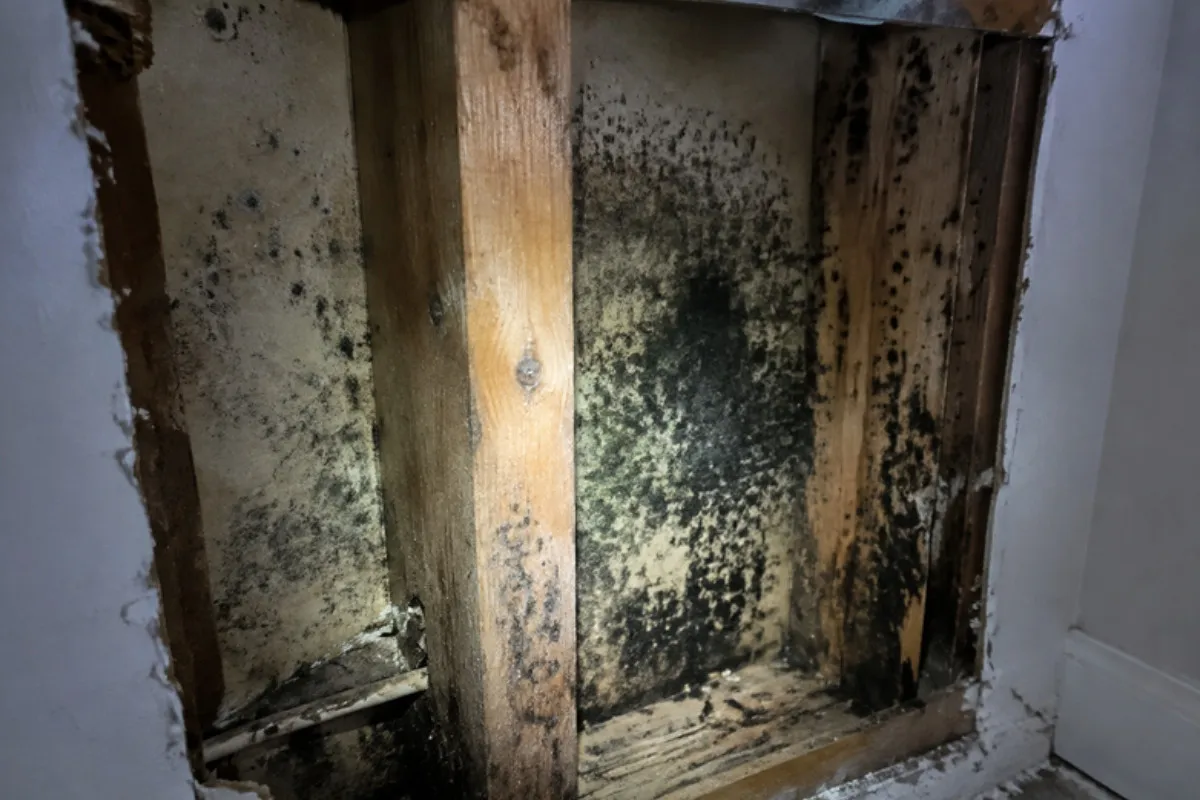
In New Port Richey, mold inside walls usually traces to Helene-era floodwater that soaked the lower drywall, or to a slower source such as a roof leak, a supply line or an AC condensate drain. Fixing it means stopping the water, opening the wall under containment, removing wet drywall and insulation and drying the studs before rebuilding. Call the number on this page to be connected with a local mold remediation company in New Port Richey.
Why walls here take on water
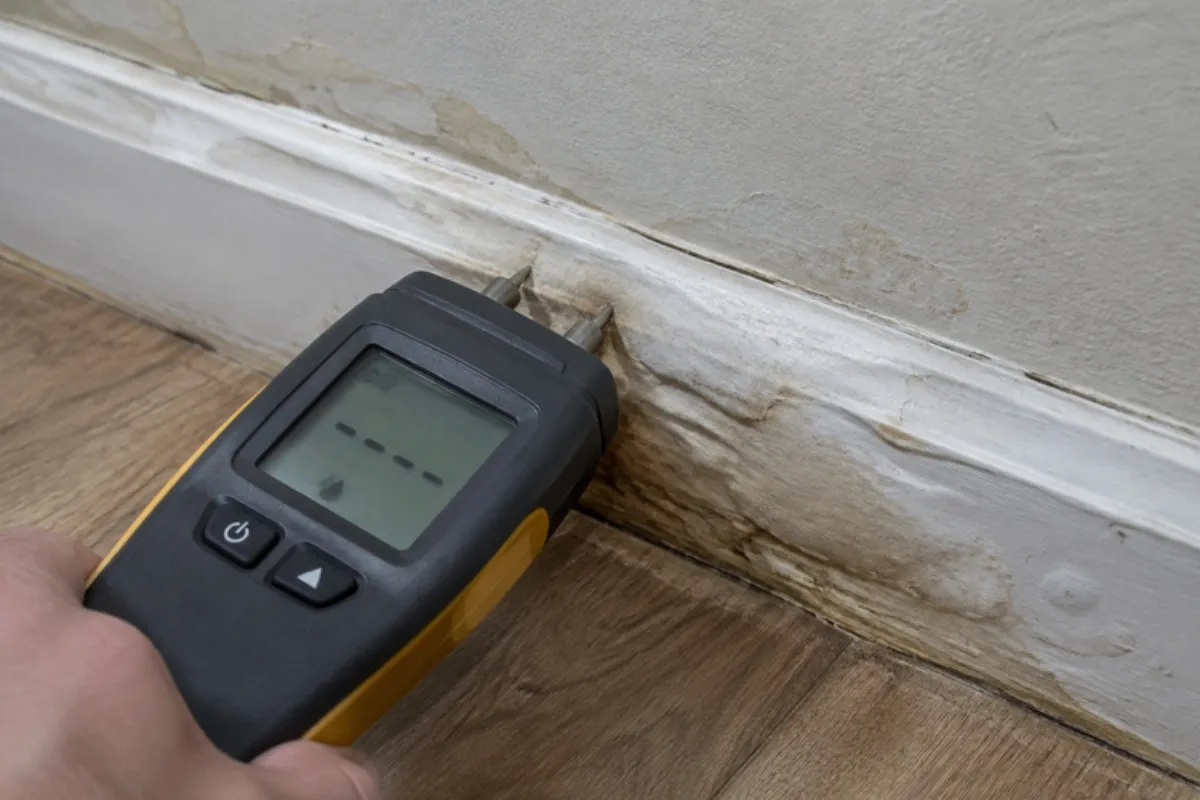
New Port Richey sits only about 20 feet above sea level, and the Pithlachascotee River winds through downtown on its way to the Gulf. When Helene's surge pushed in during 2024, one resident reported a four-foot water line inside her home, and in Tropic Shores people described river and Gulf water forcing wastewater back up through manholes and storm drains into houses. Drywall acts like a sponge in that situation. It wicks water well above the visible flood line, and the insulation behind it stays wet long after the floor dries.
Plenty of wall mold here has nothing to do with storms. The median home dates to about 1980, roughly 15 percent of units are mobile homes, and around 42 percent of occupied homes are rentals. Aging supply lines behind vanities, tired roofs and air handlers that run most of the year are steady sources of hidden moisture.
What stays and what goes
| Part of the wall | After a slow leak | After floodwater or sewage backup |
|---|---|---|
| Drywall | Remove the stained or soft section plus a margin | Remove everything that got wet, and more if it wicked |
| Batt insulation | Remove where wet | Remove |
| Wood studs and plates | Clean and dry if solid | Clean, disinfect and dry if solid; replace if soft |
| Baseboard and trim | Often reused if sound | Usually replaced |
Signs to look for
- A faint tide line or yellow band on drywall in rooms that took water
- Baseboards pulling away from the wall or swelling at the joints
- Paint blistering on the wall shared with a bathroom or kitchen sink
- An earthy odor that gets stronger when the AC cycles off
- Soft spots near the floor of a mobile home's exterior wall
Timing matters
DOH-Pasco's flood guidance says to throw out soaked items that can't be cleaned and dried within 24 to 48 hours, to ventilate while pulling out wet or moldy materials, and to remove visible mold before painting or caulking. That last point applies directly to walls: a fresh coat over a stained patch hides the problem without ending it. Hurricane season from June through November brings the most leaks and the slowest drying, so walls opened in summer may need extra time before they test dry. If you're rebuilding, Pasco County's Find My Flood Zone lookup shows your property's FEMA zone, and new drywall inside city limits is permitted through the City of New Port Richey Building Division.
Mold in Walls & Drywall questions in New Port Richey
How high should drywall be cut after a flood?
Should the leak be fixed before the mold is removed?
Do I need a permit to put new drywall back up?
Are mobile home walls handled differently?
More mold services in New Port Richey
Mold in Walls & Drywall nearby
Sources
- EPA: Mold Cleanup in Your Home
- EPA: Homeowner's and Renter's Guide to Mold Cleanup After Disasters (pdf)
- Wikipedia: New Port Richey, Florida
- FOX 13: Hurricane Helene floods thousands of Pasco homes
- Tampa Bay 28: New Port Richey residents say sewage flooded homes during Helene
- City-Stats: New Port Richey housing
- Florida Department of Health in Pasco County: Flood safety tips
- Pasco County: Find My Flood Zone
- City of New Port Richey Building Division
Last updated: