San Antonio is an inland Pasco County city on rising ground west of Lake Jovita, so post-flood mold here usually follows indoor water: a burst supply line, an overflowing AC pan, a water heater failure or rain driven through a damaged roof. The removal steps are the same as after any flood: stop the water, remove soaked materials, and dry the structure before repairs. Call the number on this page to be connected with a local mold remediation company in San Antonio.
What flooding looks like in San Antonio
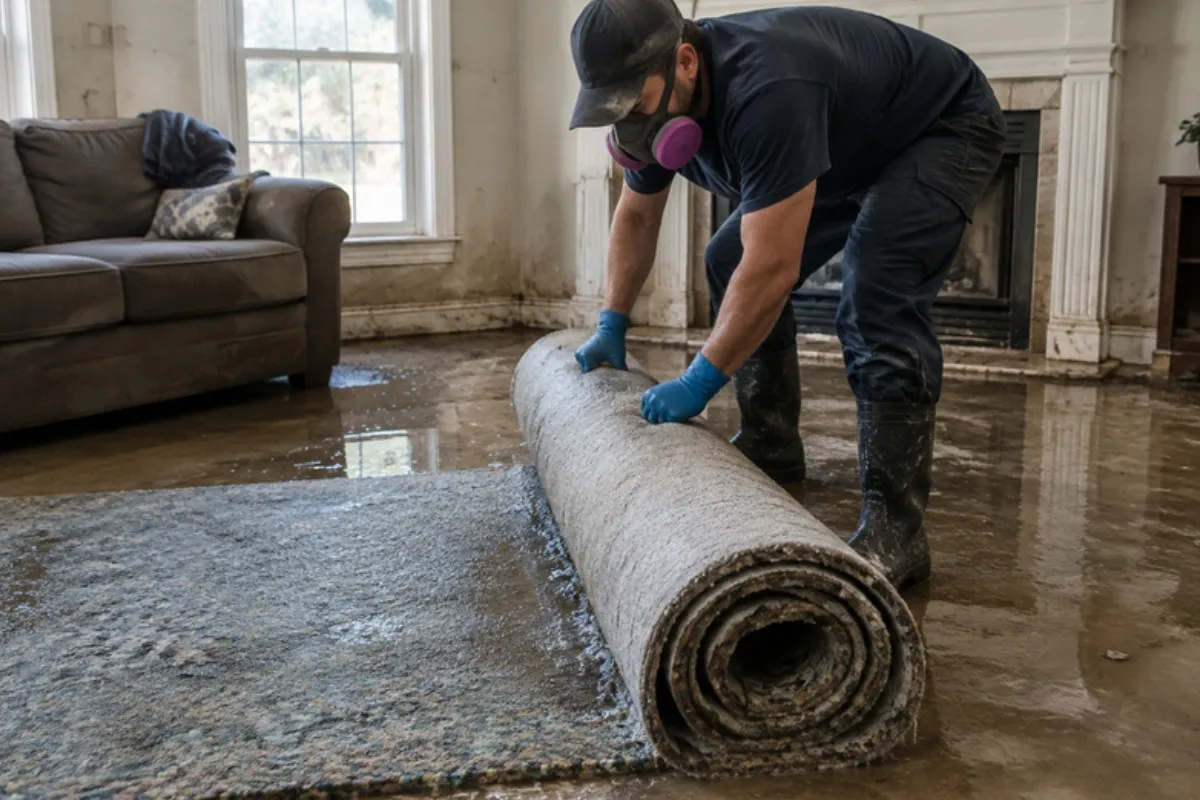
This small, rural city founded as a Catholic colony sits on the western shore of Lake Jovita, with terrain rising from about 110 to 183 feet. That elevation puts it far from the storm surge that hit coastal Pasco. For most homes here, a flood means water from inside the house: a split supply hose behind the washer, a water heater that lets go in a closet, a clogged condensate line that overflows into a ceiling, or wind-driven rain coming through roof damage during a summer storm or a hurricane.
Indoor floods are often cleaner than surge water, which helps, but they are also easy to underestimate. Water runs under walls and cabinets and soaks the pad under carpet well beyond the visible puddle. In central Florida's humidity, that hidden moisture can start growing mold within a day or two.
Clean-water leak versus outside floodwater
| Supply line or AC overflow | Rain or outside floodwater | |
|---|---|---|
| Contamination | Lower at first | Assume contaminated |
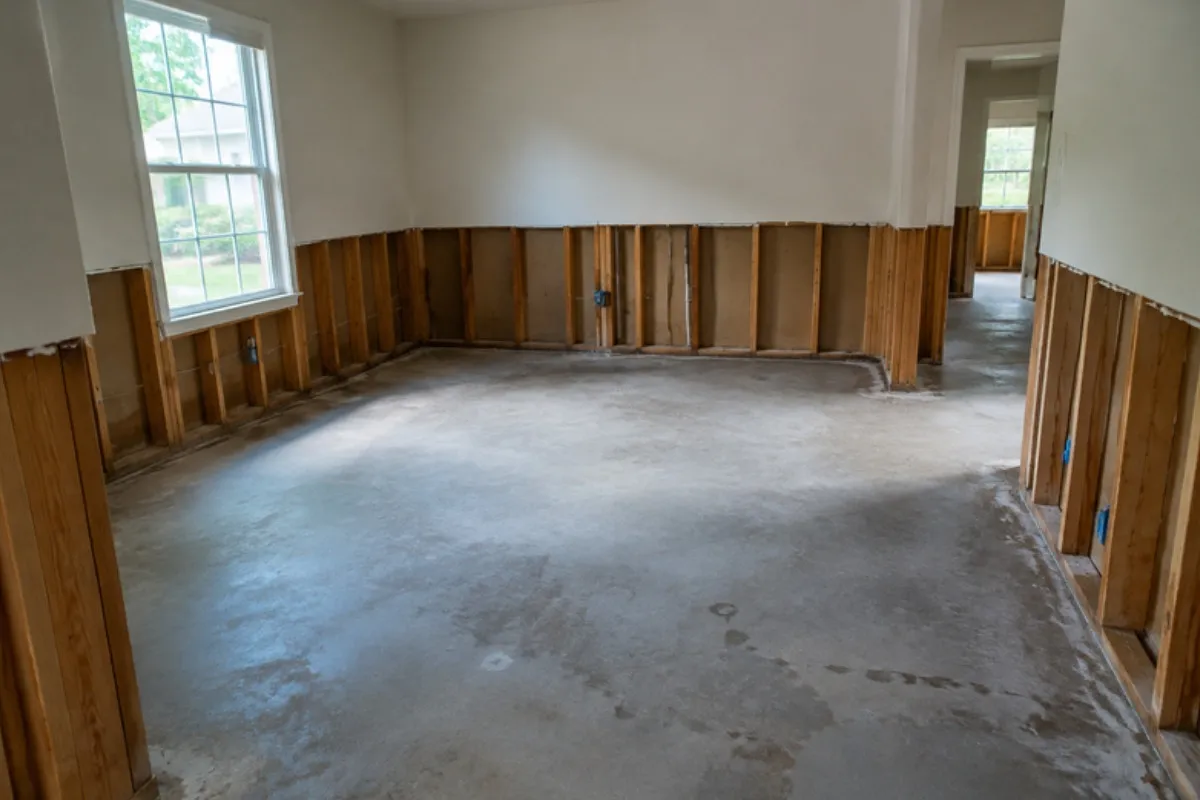
| Drywall | May be dried if caught within 24 to 48 hours | Usually cut out above the waterline |
| Carpet pad | Often replaced | Replaced |
| Main risk | Hidden spread under walls and cabinets | Silt and bacteria in wall cavities |
Signs mold has started
- A musty smell near a closet, laundry area or air handler
- Ceiling stains that grow after rain
- Baseboards that pull away from the wall or feel soft
- Spots appearing on drywall days after the leak was fixed
Timing and next steps
EPA's rule of thumb is to dry wet materials within 24 to 48 hours; past that, plan on mold. DOH-Pasco adds that items soaked by floodwater that can't be cleaned and dried in that time should be thrown out, and visible mold should be removed before painting or caulking. Summer brings daily storms and the highest humidity, so leaks found then need faster action. Rebuilding permits run through an agreement with Dade City: San Antonio approves the application first, then the Dade City Building Department issues it. Pasco County's Find My Flood Zone lookup shows the FEMA zone for any address. Photograph the damage before anything is torn out, since insurers usually ask for it.
Post-Flood Mold Removal questions in San Antonio
Water came in from a burst pipe, not a storm. Is the process the same?
Should I run the AC after the house flooded?
Can I handle flood cleanup myself?
Do I need a permit to rebuild after flood mold removal?
More mold services in San Antonio
Post-Flood Mold Removal nearby
Sources
Last updated: