A Seminole mold inspection measures where storm or leak water is still sitting and identifies any growth, so repairs start from facts. A state mold assessor performs it and writes a removal scope. Call the number on this page to be connected with a local mold inspector in Seminole.
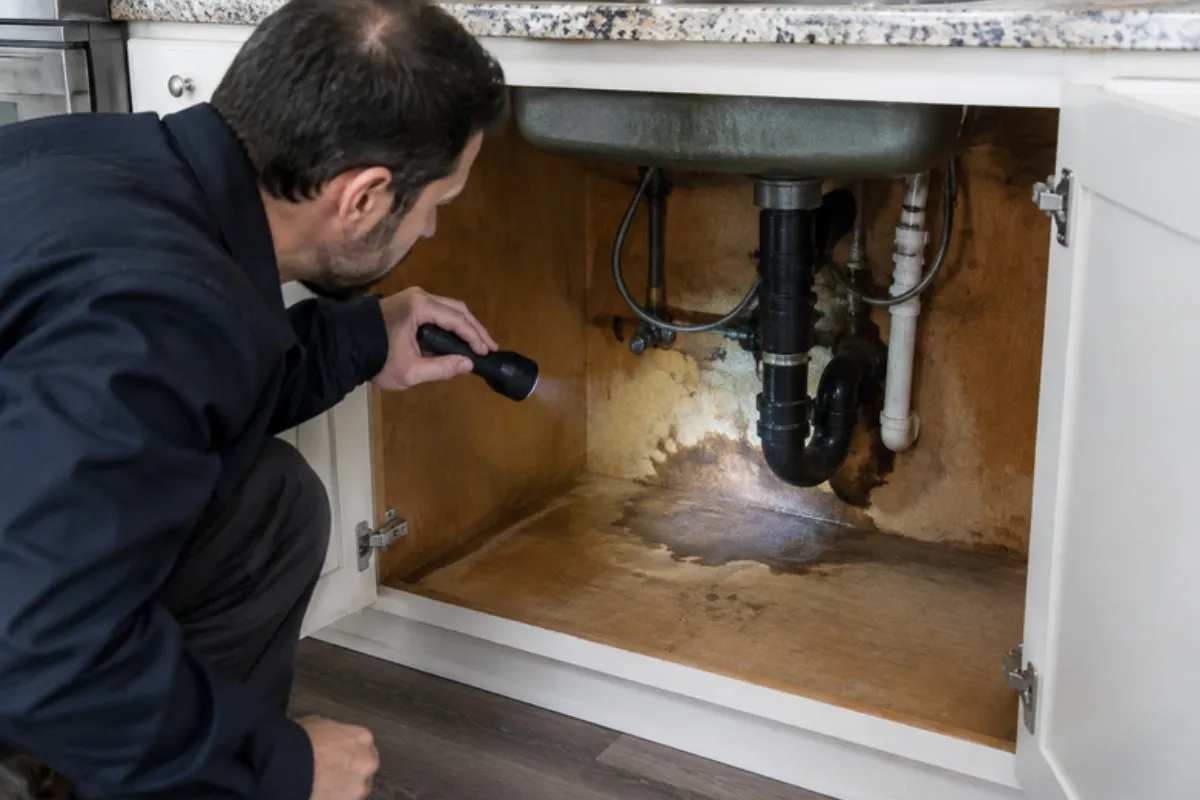
Local conditions in Seminole
The Tampa Bay Times reported that Hurricanes Helene and Milton in 2024 were called the worst storms in Seminole's history. The city manager said hundreds of single-family homes were damaged, and residents of Grove Terrace reported heavy flooding. Two storms two weeks apart left little time for drying in between, and in many homes the second round of water or wind-driven rain landed on materials that were still damp from the first.
Pinellas County says everyone in the county lives in a flood zone and that standard homeowners and renters policies typically don't cover flood. After Milton the county urged residents to remove wet contents quickly to prevent mold. Beyond storm damage, the usual year-round sources apply: roofs, plumbing and AC systems working against Tampa Bay humidity.
Comparing your options
| Approach | Strength | Limitation |
|---|---|---|
| Do-it-yourself cleanup | Fine for small spots; EPA says areas under about 10 square feet are usually manageable | Doesn't find hidden moisture |
| Mold inspection | Maps moisture, finds the source, produces a scope | Requires a separate remediation company for removal |
| Sampling only | Answers narrow questions | EPA says it's usually unnecessary when mold is visible, and no federal spore limits exist |
| Hiring a remover without a scope | Fast start | No independent measure of how much work is really needed |
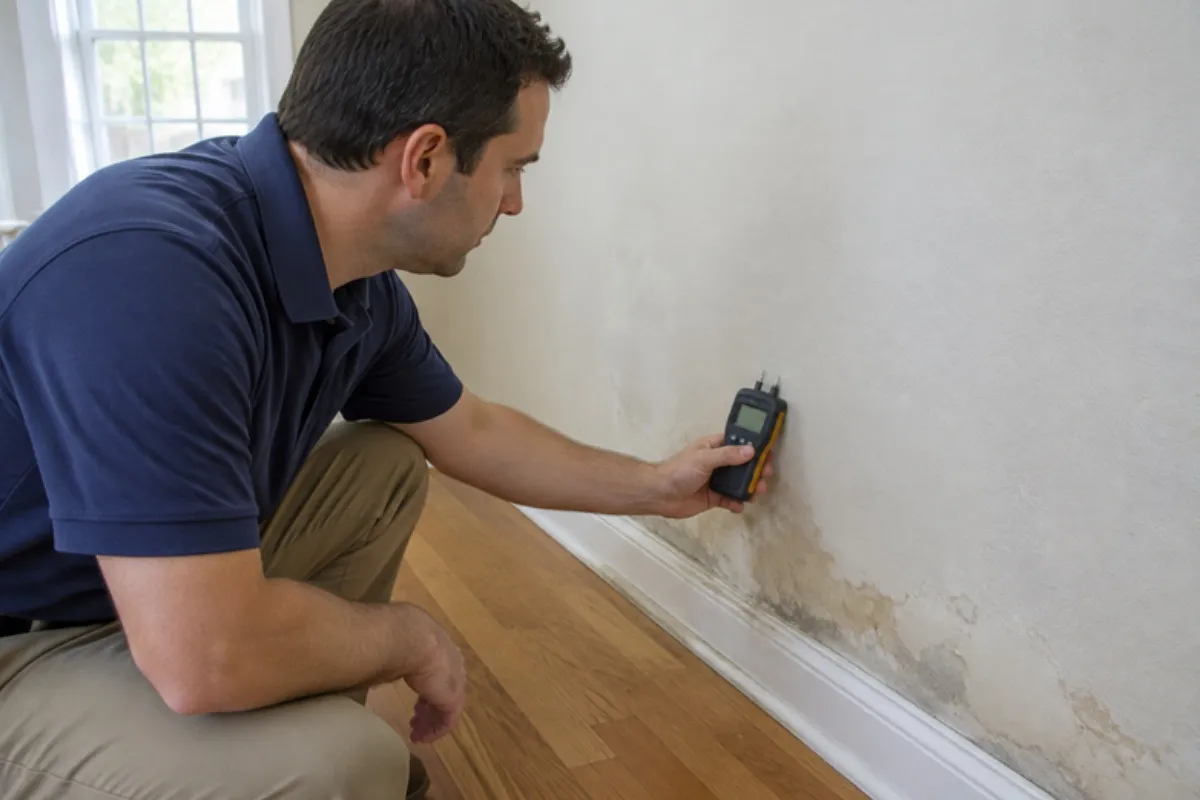
Signs that point to trouble
- Drywall that was dried in place after the storms rather than cut out
- Flooring that has cupped or lifted since 2024
- Musty odor that rises on hot, humid afternoons
- Ceiling stains that appeared after Milton's rain and wind
- Cabinets with swollen bases or a smell when opened
Timing notes
The best time is after the source is fixed and before finishes go back on. Hurricane season runs June through November, so a fresh check before the next season starts makes sense for storm-damaged homes. EPA's rule of thumb is that anything wet for more than 24 to 48 hours should be treated as likely moldy.
Permits for rebuilding inside city limits come from the City of Seminole Building Division; homes in unincorporated areas with a Seminole mailing address use Pinellas County. The same split applies to renters: city addresses use Seminole Code Enforcement, unincorporated ones go to Pinellas County Code Enforcement. Florida's s. 468.8419 keeps the assessor from remediating your home within 12 months.
Mold Inspection questions in Seminole
Should I get an inspection after floodwater came inside?
What should the written report include?
Will insurance pay for a mold inspection?
Can a renter arrange a mold inspection?
More mold services in Seminole
Mold Inspection nearby
Sources
- EPA: Mold Cleanup in Your Home
- EPA: Mold Information Slideshow (testing and sampling)
- EPA: Homeowner's and Renter's Guide to Mold Cleanup After Disasters (pdf)
- Florida Statutes s. 468.8419, Prohibitions; penalties (Florida Senate)
- Pinellas County: Your guide to flood information
- Pinellas County: Post-Hurricane Milton overview and recovery tips
- Pinellas County: Submit a code complaint
- Tampa Bay Times: Storm damage from Helene and Milton called worst in Seminole's history
- City of Seminole: Building
Last updated: