In St. Petersburg, flood mold follows surge and street flooding into older homes, settling in lower walls, insulation, flooring and cabinets that stayed wet. Removal means opening and removing soaked materials, cleaning and drying the structure, and pulling the right storm-repair permit before rebuilding. Call the number on this page to be connected with a local mold remediation company in St. Petersburg.
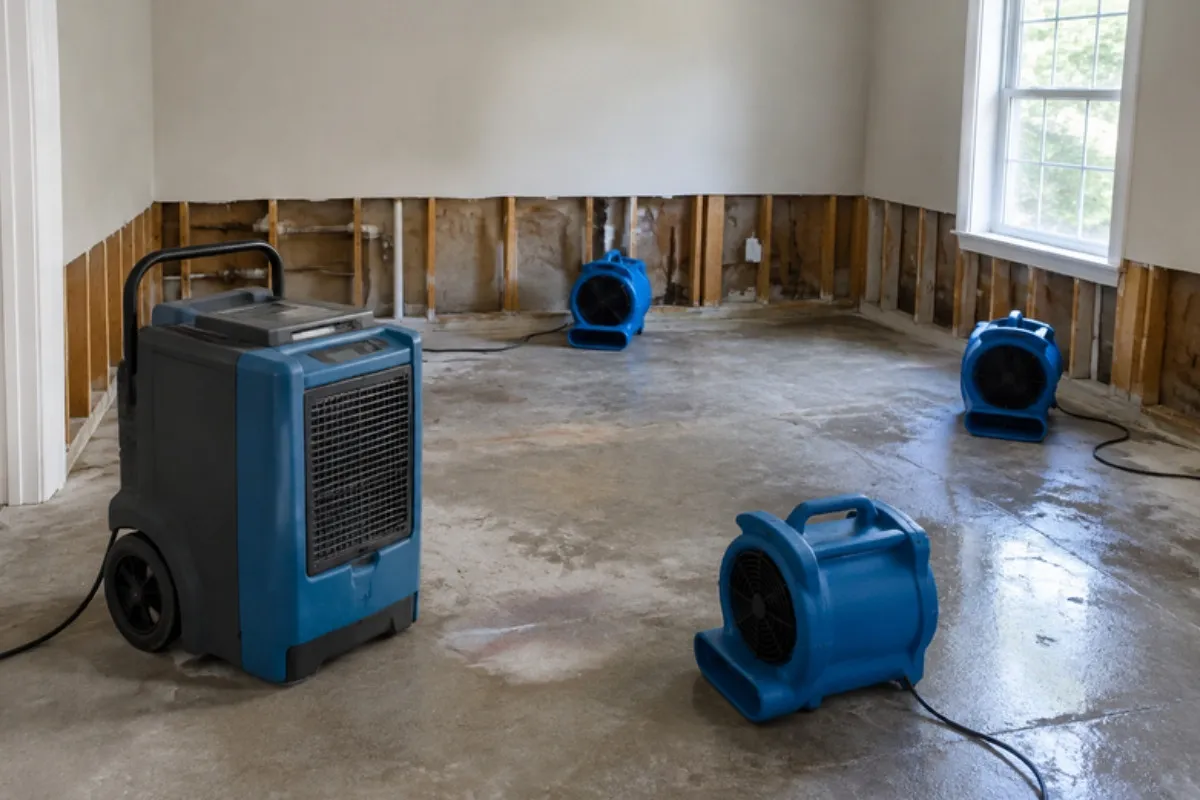
Signs of mold after a St. Pete flood
- Spotting on walls, trim and door casings below and just above the waterline
- A sour, musty smell in rooms that were closed up after the storm
- Hardwood or plank flooring that cups or lifts
- Stains on ceilings or in the attic of homes where water rose high
- Musty air from registers once the AC runs
Local conditions
The city reported more than 6 feet of storm surge during Hurricane Helene in 2024, with over 100 miles of city roads affected by flooding. Shore Acres was among the hardest-hit neighborhoods; some homeowners said water reached their doorknobs, one family climbed into their attic to stay above it, and Fire Rescue boats went to Shore Acres, Snell Isle and Venetian Isles for rescues. FOX 13 described Helene as Shore Acres' fourth flooding event in four years. Repeated floods leave framing and slabs that may never have fully dried between events.
The housing is old by Tampa Bay standards, with a median build year of 1969, and about 37 percent of occupied homes are rented. Older plaster, wood floors and built-ins can hold water in places a quick tear-out misses.
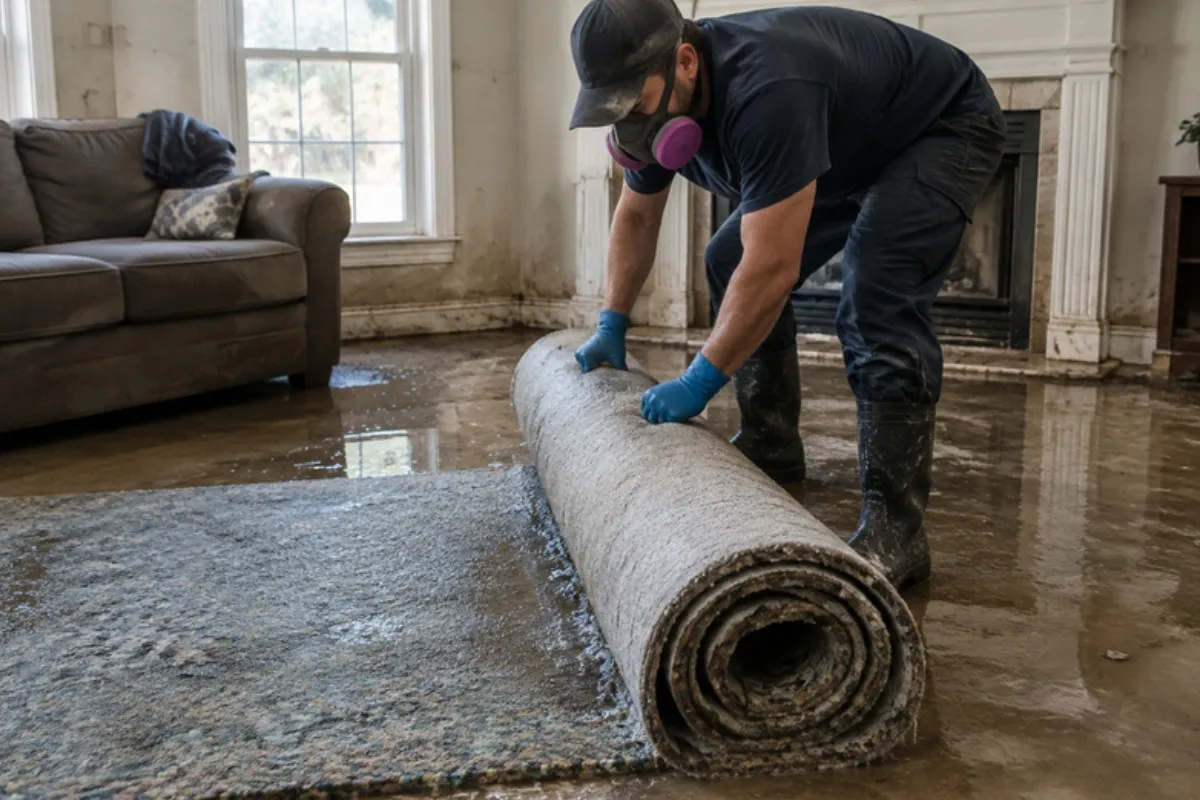
What affects cost
Angi reports typical Tampa-area remediation at $1,347 to $3,778, with whole-house jobs at $10,750 to $32,250; HomeAdvisor's typical Tampa range is $1,248 to $2,550. Those are regional numbers, not quotes. Drivers include the waterline height, the number of rooms, whether hardwood or built-in cabinetry must come out, attic involvement, ductwork, and the time the house sat closed. Rebuilding is separate, and its scope matters for the city's permit rules below.
What happens when you call
You'll be connected with an independent local mold remediation company. It will ask about the storm, water depth and what's been removed, then visit to take moisture readings and write a scope. St. Petersburg requires a permit before storm-damaged homes are repaired, applied for online under the Storm Related Damage user class. Under the city's 49% Rule, if repair and improvement costs reach 49 percent of a building's pre-storm market value in a flood hazard area, the structure must meet current zoning, building and floodplain rules. Any clearance test comes from a separate assessor under Florida law.
Post-Flood Mold Removal questions in St. Petersburg
What is the substantial improvement rule after a flood?
How high are walls cut after a flood?
What if the floodwater included sewage?
What can a renter do if water damage isn't being repaired?
More mold services in St. Petersburg
Post-Flood Mold Removal nearby
Sources
- EPA: Homeowner's and Renter's Guide to Mold Cleanup After Disasters (pdf)
- EPA: Mold Cleanup in Your Home
- Angi: How Much Does Mold Remediation Cost in Tampa, FL?
- HomeAdvisor: Mold & Asbestos Companies in Tampa, FL (cost data)
- Florida Statutes s. 468.8419, Prohibitions; penalties (Florida Senate)
- Pinellas County: Post-Hurricane Milton warnings and recovery tips
- FOX 13: Hurricane Helene destroys homes in Shore Acres
- Tampa Bay Times: Shore Acres assesses damage after Hurricane Helene
- City of St. Petersburg: Storm repair permits and the 49% Rule
- City of St. Petersburg Building & Permitting
- City of St. Petersburg Codes Compliance
- City-Stats: St. Petersburg
Last updated: